Back to Texas

In Denton, North Texas Growth Collides With Housing Costs

Denton anchors the northwestern corner of a metroplex that has boomed for twenty years

Zane Boyd

July 8, 20262 min read

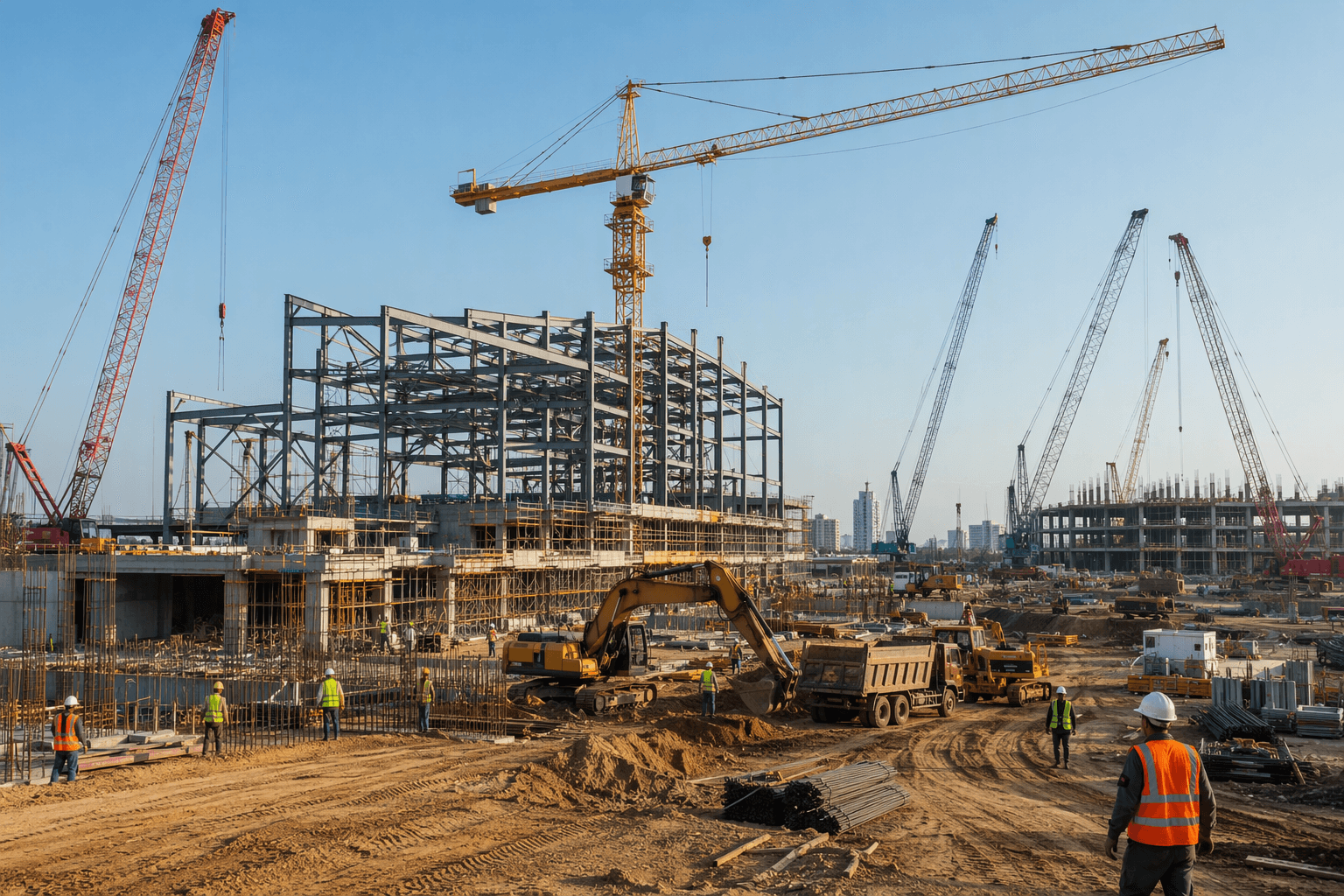
Housing Affordability Crisis - illustration, Jake Team LLC

Denton anchors the northwestern corner of a metroplex that has boomed for twenty years, and its residents are feeling the same gap between rising home prices and slower-growing paychecks seen across North Texas.

North Texas has been one of the country's great population magnets. The Dallas-Fort Worth metroplex is now the nation's fourth-largest, home to roughly 8.5 million people, and Census Bureau estimates show it still adding well over 100,000 residents a year. Texas claimed eight of the nation's fastest-growing cities in the most recent count, several of them in the northern suburbs. Celina led the entire country, growing nearly 25% in a single year, with Prosper close behind.

The growth has been fueled by corporate relocations and expansions. The Dallas Regional Chamber counted 119 corporate moves or expansions in the region in 2025, the most of any U.S. metro, drawn by the absence of a state income tax, comparatively cheap land on the suburban edge, and a steady supply of jobs from employers such as Toyota, JPMorgan Chase and Charles Schwab.

That demand has pushed home prices far faster than paychecks. The S&P CoreLogic Case-Shiller index for the Dallas area has climbed roughly 156% since 2005, and the median home across Dallas-Fort Worth now sits around $400,000, according to the Texas Real Estate Research Center at Texas A&M University. Prices cooled slightly in 2025, slipping about 5%, but they remain far above where they stood before the pandemic.

Incomes have not kept pace. Over the past five years, the typical monthly mortgage payment in the region rose about 82% while household incomes grew roughly 26%, according to an analysis of local market data, opening a gap that has priced many would-be buyers out. Nationally, the ratio of home prices to household income has reached about 5 to 1, near a record. By one common measure, a first-time buyer now needs an income of roughly $127,000 to afford a typical U.S. home, a bar only a fraction of renters can clear.

Other costs have added to the squeeze. Home insurance premiums in Texas have risen sharply in recent years, and Dallas-Fort Worth carries some of the highest insurance costs of any metro in the state. The Texas Real Estate Research Center's affordability index, which tracks whether a median-income family can qualify for a median-priced home, has weakened as mortgage rates stayed elevated.

For many North Texans, the result is a region that keeps growing even as owning a home in it moves further out of reach. First-time buyers, younger households and renters have felt it most, with the search for something affordable pushing families ever farther from the urban core, into the same small towns that are now among the fastest-growing in the country.

Sources

https://trerc.tamu.edu/data/housing-affordability/

https://www.texastribune.org/2026/05/14/texas-dallas-el-paso-arlington-plano-celina-city-population-census/

https://www.mdregroup.com/news-and-insights/dfw-housing-market-report-2025-recap-2026-forecast/

https://www.wfaa.com/article/news/local/dfw-population-dallas-texas-map/287-ac1470ad-d80f-4048-b9fb-9d0c7e870c70

https://frisco.city/article/frisco-north-texas-housing-affordability-2025

Share

Zane Boyd

Zane Boyd writes about community life, schools, public safety, and local events in Denton.

Related Stories

More in Sport